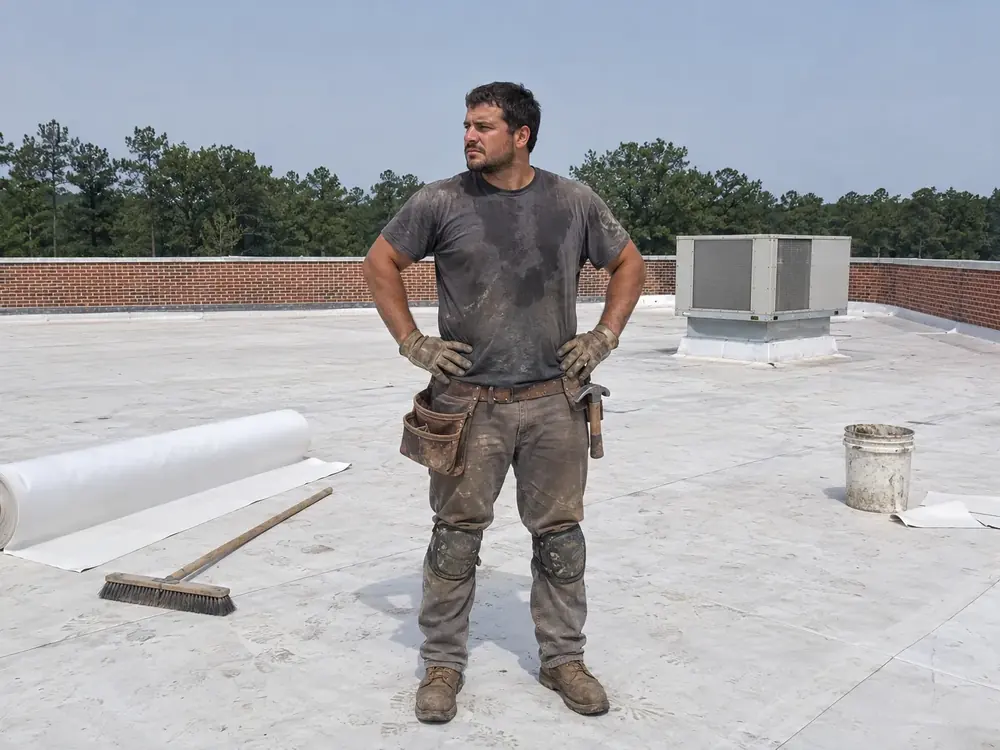
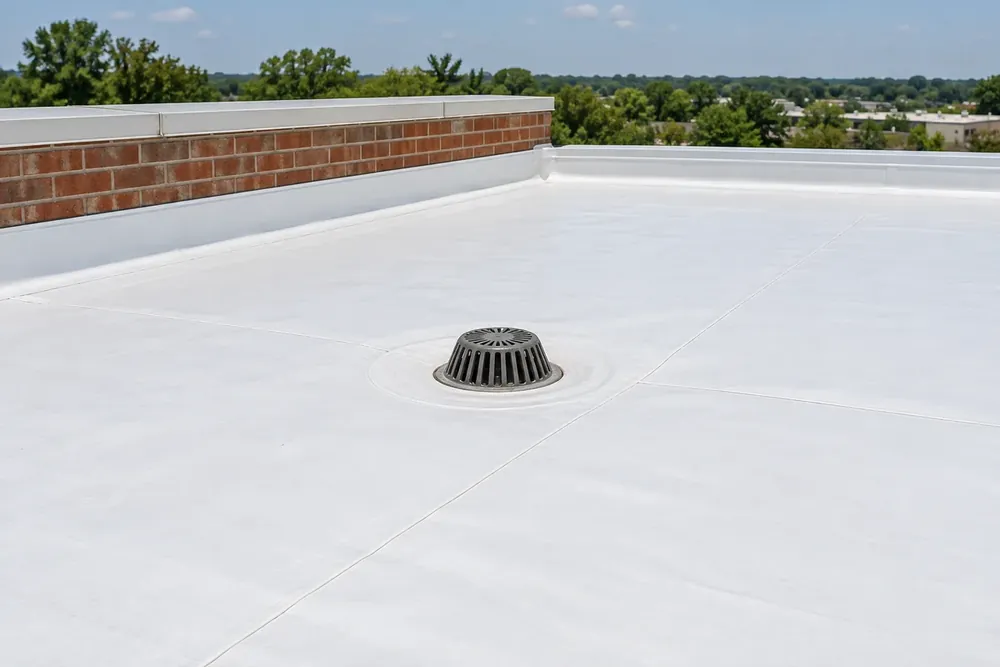
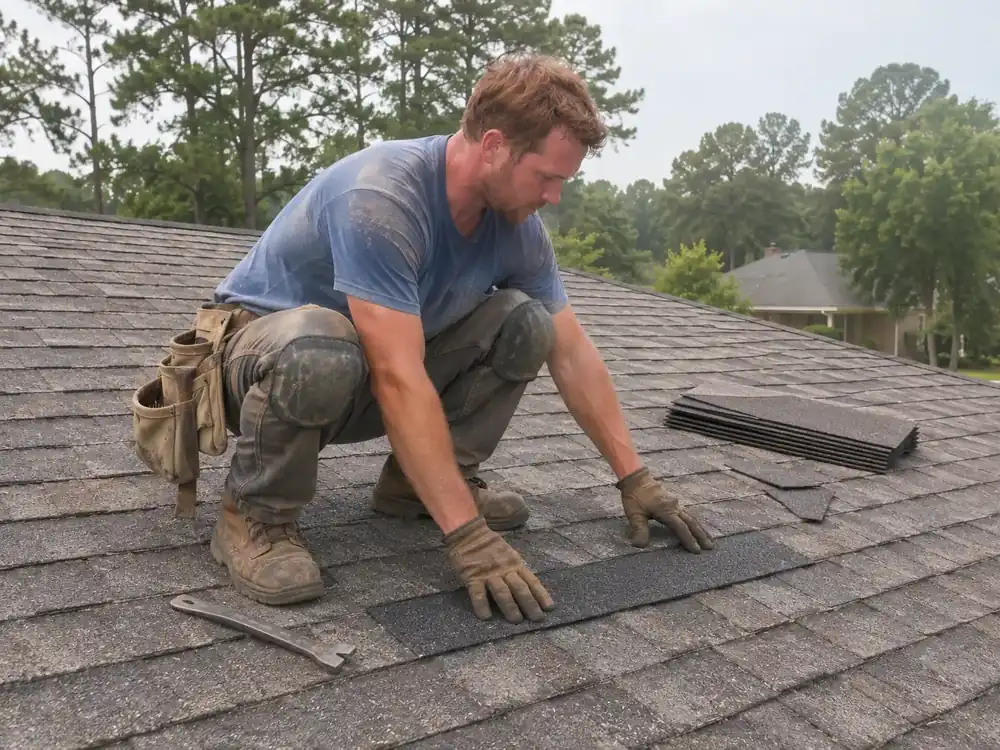
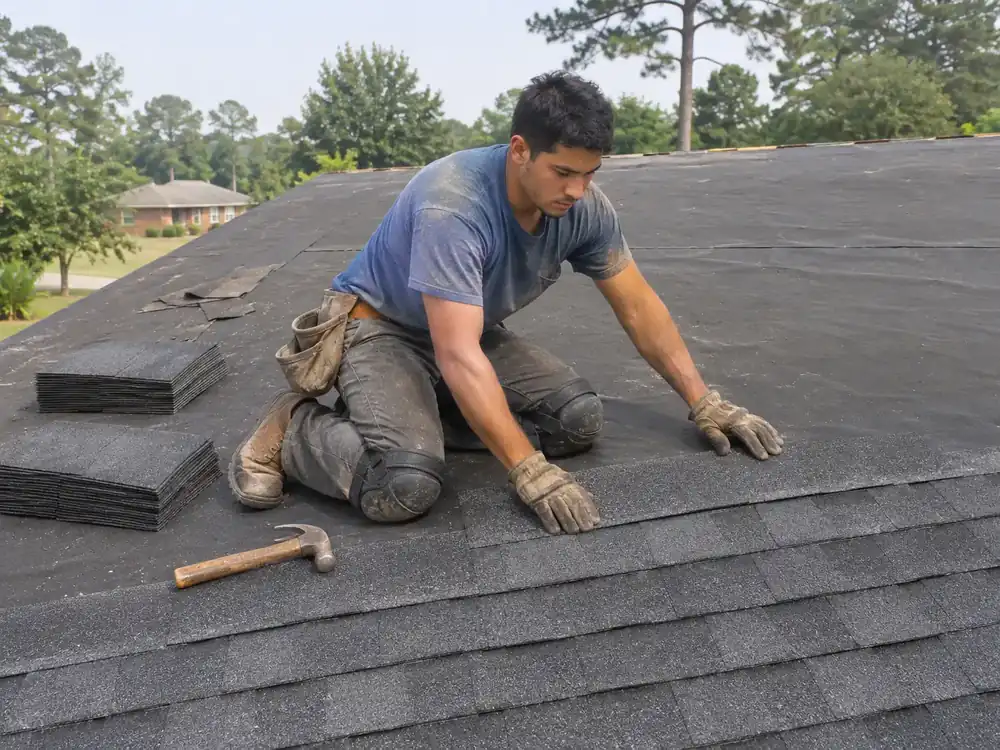
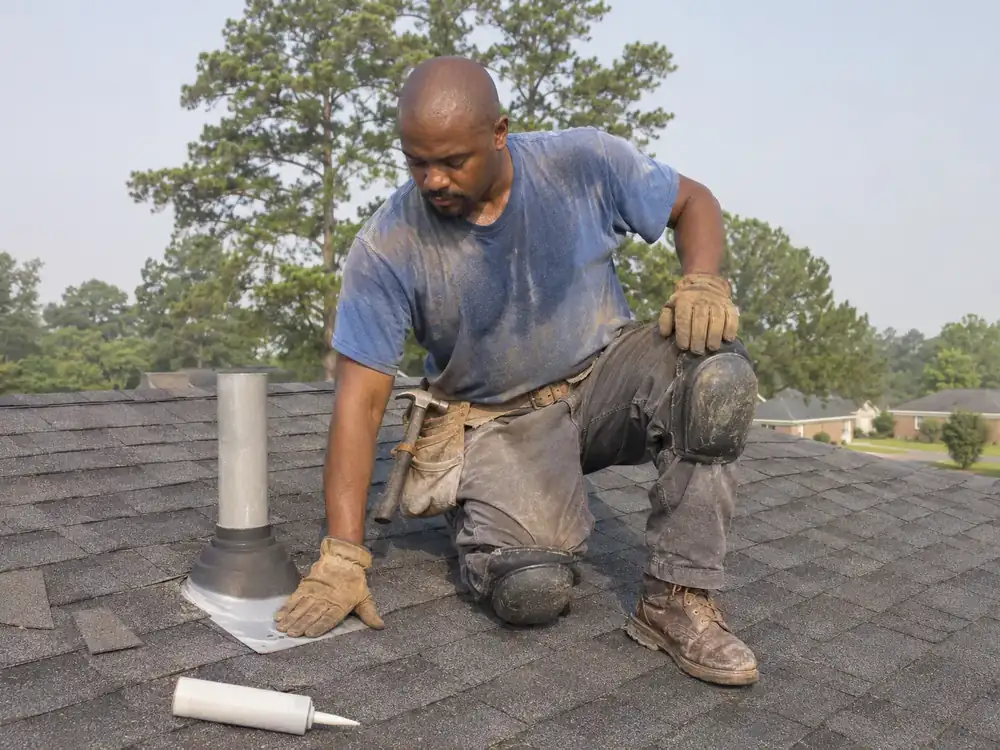
Our local roofing professionals trace leaks, repair open seams and replace worn commercial roof surfaces in Florence. Call about water over a stockroom or ponding on a flat roof; your roofer will explain the work each roof section needs.
Calls answered 24/7
Shops, offices, rentals
Serving Florence and nearby
Roofing for Commercial Buildings Around Florence
Shops and strip centers. Roof work addresses shared roof sections, edge details and leaks above sales floors without treating every tenant space as a separate roof.
Offices. Repair scopes identify the roof surface and penetrations above affected rooms so a ceiling stain leads to a source check.
Warehouses and light industrial buildings. Warehouse roof repair separates damaged seams, panels and drainage details across large roof areas.
Apartments and condos. One call starts a discussion of several roofs, with each building and affected section identified separately.
Churches and schools. Roofing scopes distinguish assembly spaces, classroom wings and connecting roofs where slopes or materials change.
Restaurants. Leaks above kitchens and dining rooms are traced to roof details, with affected interior areas identified.
Medical and dental offices. Roof repairs address water entry above occupied rooms while the scope records access and operating hours.
Storage buildings and workshops. Work covers leaking panels, membrane openings and worn edges above stored goods or work areas.
Managed rental property. Property managers receive building-specific scopes that distinguish individual repairs from work across several rental roofs.
Commercial scope
Commercial Roof Scope Lines in Working Order
A commercial scope reads differently from a house because the roof is flat or nearly flat. Low slope roofing needs clear drainage and seam details; your roofer explains each line's scope and price before work begins; this page shows no figures.
Survey and moisture. Your roofer identifies the existing roof system, maps trouble spots and checks for trapped moisture. The findings establish whether the layers beneath a repair remain usable.
Old surface preparation. The scope names what comes off and what stays, including cleaning and preparing retained material. Existing layers and surface condition determine how much preparation is needed.
Insulation and board. Insulation or cover board provides the base required by the selected roof assembly. Wet material, uneven areas and the assembly design determine where replacement belongs.
Roof covering selection. The work specifies a suitable covering, such as TPO or EPDM single-ply membrane, modified bitumen, metal panels or a coating. Material compatibility and roof condition narrow the choice.
Seams and edges. Joining the covering and securing its perimeter keeps separate pieces working as one surface. Seam length, edge condition and the number of roof sections change the work.
Flashing and drainage. Flashing ties the covering into parapets, curbs, pipes and drains so water stays outside those junctions. Each opening and change of direction adds a detail to inspect.
Cleanup and review. Removing scraps and checking completed details closes the roof scope. Your roofer conducts the roof walk-around and shares findings with the manager, who stays on the ground.
Commercial Roof Problems That Need Attention
What you notice
Likely cause
What to do
Water repeatedly gathers above one room
Ponding or restricted drainage
Call and describe where water gathers.
A drip returns beside a wall
An open seam or flashing junction
Call and describe the drip beside the wall; move stock away when safe.
Several ceiling stains appear
Deteriorated membrane or coating
Call and describe the ceiling stains; photograph stains from inside.
Water reaches a sagging ceiling
Water collecting above the ceiling
Call and describe the sagging ceiling; keep everyone out of that area.
What is flat roof repair? It addresses failed covering, seams or details on a nearly level roof, after checking the surrounding material.
Seams and drainage. Open flashings at walls, curbs and drains need inspection alongside clogged drains or scuppers; owners stay off the roof.
Surface condition. Blistering, cracking, shrinking membranes and worn coatings change the preparation and repair lines; rubber roof repair needs material-compatible patches.
Interior leaks. Emergency flat roof repair starts with a call describing water above a stockroom, kitchen or classroom and any areas kept clear.
Repair, Restore or Replace the Roof Surface
Commercial roof options depend on how far deterioration extends and whether the material beneath the surface remains sound and dry.
Option
When it fits
What it involves
Repair the failed spot
A limited defect has sound surrounding material
Locate the opening, prepare the area and repair the affected covering or detail.
Restore the surface with a coating or new seams
The existing assembly remains suitable for restoration
Prepare compatible surfaces, address seam failures and apply the specified restoration system.
Replace or re-cover the roof
Widespread deterioration calls for a new covering
Assess retained layers, remove unsuitable material and build the selected assembly over an acceptable base.
Your roofer examines the roof and explains which option fits the actual condition.
How a Commercial Roof Job Moves Forward
Describe the building. Call with the building type, where water shows, any known roof age and whether the business remains open.
Discuss the roof. A local roofing professional takes the next steps with you, using the building details to focus the roof assessment.
Read the scope. Your roofer inspects the roof and explains the work and price for each line before work begins.
Complete and document. The agreed work ends with cleanup, a roof walk-around by your roofer and records for the owner or manager.
Roofing Records for Owners and Property Managers
Roofing records should identify the building, the problem and the completed work so the next maintenance decision has a clear starting point.
Dated photos. Keep interior or ground-level pictures showing where water appeared, with the building and room identified.
Written scope. Retain each named work line and any changes agreed during the job.
System and materials. Record the roof system and the materials used for repairs, including which roof sections received them.
Receipts. File payment records with the matching scope so the work can be traced later.
Maintenance log. Enter the date, building, observations and completed work in one running record.
What Affects Commercial Roofing Cost in Florence
What changes
Why it moves the scope
System type and condition
Material compatibility and wet layers determine preparation and replacement needs.
Size and separate roof sections
More surface and junctions add distinct covering and detail lines.
Drains, curbs, penetrations and edges
Each connection needs its own flashing or seam treatment.
Tear-off or re-cover
Flat roof replacement cost changes with retained layers and removal needs.
Access and business hours
Lift or ladder access and occupied areas shape how work is organized.
One of our local roofing partners explains each scope line and its price before work begins, with the replacement scope breakdown showing how separate work items fit together.
Why Building Owners Call Magic City Roofworks
Calls answered 24/7. Call when a roof issue comes to your attention and describe the building, affected rooms and what you can see safely.
Local roofing contact. A roofing professional serving Florence takes the commercial roof details forward, from the reported symptom to a defined work scope.
Work lines discussed. Surface preparation, covering, seams and flashing are named separately, with the price explained before any work starts.
Usable building records. Named materials, dated photos and written work details give owners and property managers a reference for later maintenance.
Florence-area service. Calls cover business roofing in Florence and surrounding towns, including properties managed together under one owner's maintenance plan.
Safety Steps Around a Leaking Business Roof
Keep people and stock away from the wet area, and call about the leak while everyone stays off the roof.
Electrical equipment. Leave wet fixtures, switches and panels alone; CDC's electrical-hazard guidance warns against using wet electrical equipment or operating electrical tools and appliances while standing in water.
Roof access. Leave roof inspection and repair to your roofer; OSHA's fall protection requirements cover roofing work, including work on low slopes.
Interior observations. Photograph stains from a dry, safe position, move belongings only when safe and keep clear of bulging or sagging ceilings.
Roofing Help for Houses Too
Owners, managers and staff around Florence can use the same number for house roof repairs, leaks and replacements through the home roofing pages below.
Commercial roofing service extends across Florence and nearby towns for building owners, landlords and property managers; call to discuss one roof or several properties.
Does the same number handle commercial buildings and houses?
Yes, the same number handles roofing calls for commercial buildings and houses. For a business property, describe the building use, the affected room and whether several roofs need attention. Your roofer separates the work by building and roof section so the scope remains readable for an owner or property manager.
What is TPO roof repair, and which other systems are covered?
Repairing a thermoplastic single-ply membrane addresses damage or failed joints using compatible materials and joining methods. Commercial work also covers EPDM, modified bitumen, built-up surfaces, metal panels and shingle roofs on offices or apartments. Your roofer identifies the existing assembly before specifying a repair.
How should a manager respond to ponding or an open seam?
Call about the condition and keep occupants away from any interior wet area. Describe ponding or an open seam only from existing observations; do not send staff onto the roof to investigate. Your roofer checks drainage and surrounding seams, then identifies whether the scope needs a localized repair or broader work.
Can a commercial roof stay in place after a repair?
A commercial roof can remain in place when damage is limited and the surrounding assembly is suitable for repair. Your roofer checks the covering, underlying moisture and connection details before recommending that approach. Widespread deterioration or wet layers may require removal across a larger section, which should appear clearly in the written scope.
Which paperwork belongs in a building's roof file?
Keep the written scope, dated photos, material names, receipts and a log of the work completed. Label records by building and roof section when you manage multiple properties. Photos from inside or from the ground can show where water appeared without requiring the owner or manager to access the roof.
Can roof work be planned around business hours?
Business hours belong in the work discussion, and the working arrangements are settled on the call with your roofer. Explain which rooms remain occupied, delivery routes and access restrictions. The scope should identify any measures needed around entrances, stock or tenant spaces without assuming the entire building will close.
Florence property managers, landlords and shop owners can call now about a leaking roof and discuss the work each scope line covers.